


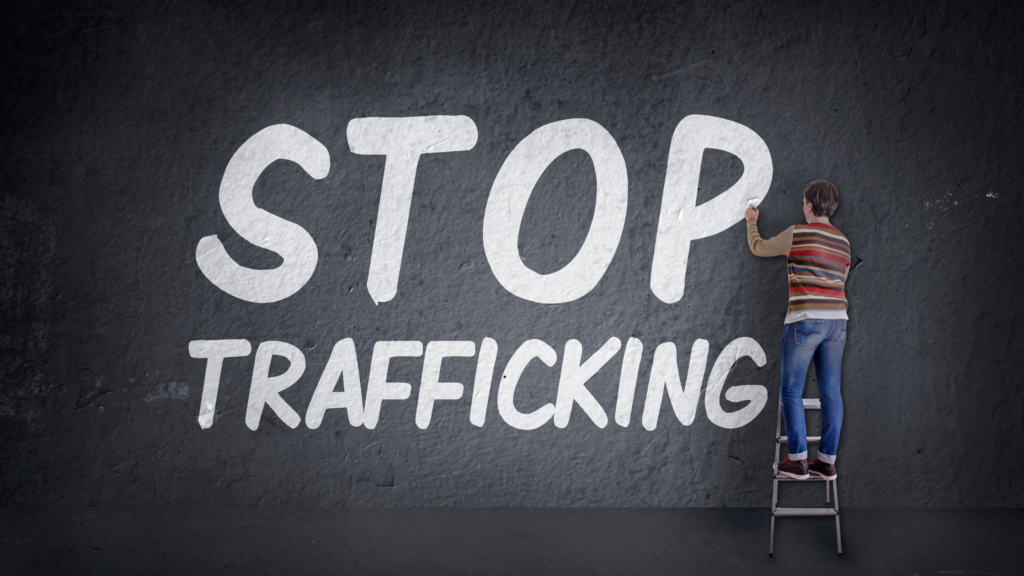
Human trafficking is a global crisis that affects millions of people, including in South Africa and Cape Town specifically. Understanding the risks and warning signs can help protect yourself and vulnerable members of society, especially children.
Human trafficking involves the exploitation of people through force, fraud, or coercion for labor, sexual exploitation, or other purposes. Victims can be of any age, gender, race, or nationality, though certain populations are more vulnerable.

Cape Town, like many major cities with tourism, ports, and economic disparities, faces human trafficking challenges:
– Cape Town’s status as a major port city makes it a potential trafficking hub
– The tourism industry can sometimes mask trafficking activities
– Economic inequality creates vulnerability for disadvantaged populations
– Rural-to-urban migration can leave people isolated and susceptible to exploitation
Warning Signs Someone May Be Trafficked
– Physical signs of abuse or malnourishment
– Appearing fearful, anxious, or submissive
– Avoiding eye contact and social interaction
– Not being allowed to speak for themselves or move freely
– Working excessive hours in poor conditions
– Living with their employer or in poor, overcrowded conditions
– Lacking personal possessions or identification documents
Protecting Yourself
– Research thoroughly before accepting job offers, especially those requiring relocation
– Keep identification documents secure and make copies
– Share travel plans with trusted friends or family
– Be cautious about sharing personal information online
– Trust your instincts—if a situation feels wrong, leave immediately
– Save emergency contacts in your phone
– Be wary of people offering unusual opportunities that seem too good to be true
Protecting Children
– Educate children about personal safety in age-appropriate ways
– Teach children about safe and unsafe touches
– Monitor children’s online activities and social media usage
– Know who your children are spending time with
– Establish check-in routines when children are away from home
– Ensure schools have proper pickup authorization procedures
– Keep recent photos and identification details of your children
How to Help Others
– Learn to recognize warning signs
– Report suspicious activity to authorities (South African Police Service: 10111)
– Support anti-trafficking organizations through donations or volunteering
– Raise awareness in your community
– Be a conscious consumer—research companies to ensure they don’t use forced labor
Resources in South Africa
– National Human Trafficking Hotline: 0800 222 777
– Childline South Africa: 08000 55 555
– Department of Social Development: 0800 428 428
– SAPS Emergency: 10111
– A21 Campaign South Africa
Human trafficking thrives in silence and ignorance. By staying informed, vigilant, and proactive, we can all contribute to making our communities safer for everyone, especially the most vulnerable among us.
Remember, if you suspect someone is being trafficked, don’t attempt to intervene directly—contact authorities who are trained to handle these situations safely.